Breath Remedies: What Really Helps Bad Breath and When to See a Dentist
Updated: Jul 14
Bad breath happens to almost everyone at some point. Maybe you wake up with morning breath, or you notice an odor after eating certain foods. But when bad breath keeps coming back or never seems to go away, it may be a sign of a bigger issue. If you’re looking for bad breath treatment in Winter Park, FL that really works, our team at Anderson Family Dental is here to help!
This article explains some common causes of bad breath, what you can do to improve your breath at home, which breath remedies actually work, and when you should see a dentist for help with bad breath.

BAD BREATH IS COMMON AND OFTEN TREATABLE
Before we dive in, it’s important that you understand that bad breath is incredibly common. Many people are embarrassed to find out their breath is not as fresh as they thought. Our team is always here to provide judgment-free care, so don’t hesitate to ask us about any concern, including bad breath!
WHAT CAUSES BAD BREATH?
Bad breath usually starts in the mouth. Common causes include:
Plaque and bacterial buildup
Gum disease
Tooth decay or cavities
Food trapped between teeth
Dry mouth
Bacteria on the tongue
Tonsil stones
Partially erupted wisdom teeth
In some cases, bad breath may also be linked to sinus infections, acid reflux, or certain medications. A dental exam is often the best first step in finding the cause.
AT-HOME BAD BREATH REMEDIES THAT REALLY WORK
Some home care habits can help improve mild bad breath, especially when it is caused by everyday factors.
Effective breath remedies include:
Brushing twice a day
Flossing daily to remove trapped food
Gently cleaning the tongue
Drinking plenty of water and rinsing after eating
Chewing sugar-free gum (especially with xylitol) to increase saliva
Antimicrobial mouthwash
Eating a balanced diet with plenty of fresh fruits and veggies
Chewing fresh herbs like parsley or mint after a meal for a quick fix
These steps are a great way to prevent bad breath. However, if you still have bad breath or a foul taste in your mouth after brushing and flossing (or if your breath only stays fresh for a short time afterward), there may be something else going on.
BAD BREATH REMEDIES THAT WE DON'T RECOMMEND
Many people try to cover up bad breath instead of treating the cause. While these may help briefly, they do not solve the problem. In some cases, they can even make the problem worse by increasing bacteria in the mouth or drying out the tissues.
We recommend skipping:
Breath sprays, mints, and gum that contain sugar
Using alcohol-based mouthwash if you struggle with dry mouth
Chewing on cloves or using clove oil, which can cause tissue burns
Swishing or drinking apple cider vinegar, which can erode enamel
Brushing or rinsing with tea tree oil, which can be toxic if improperly diluted
There are plenty of products on the market that promise lasting relief from bad breath. While many of them won’t cause harm, very few of them are worth the money. If you’re ever curious about a breath remedy, feel free to ask us about it! We’re always happy to recommend proven products.
WHEN TO SEE A DENTIST ABOUT BAD BREATH
While occasional bad breath is normal, chronic bad breath, also called halitosis, is different. If brushing, mouthwash, and mints are not helping, the cause is often related to oral health. In some cases, chronic bad breath could indicate a medical condition.
The good news is that most causes of bad breath are treatable, and you can get lasting improvement by keeping up with routine dental visits.
GUM DISEASE AND CHRONIC BAD BREATH
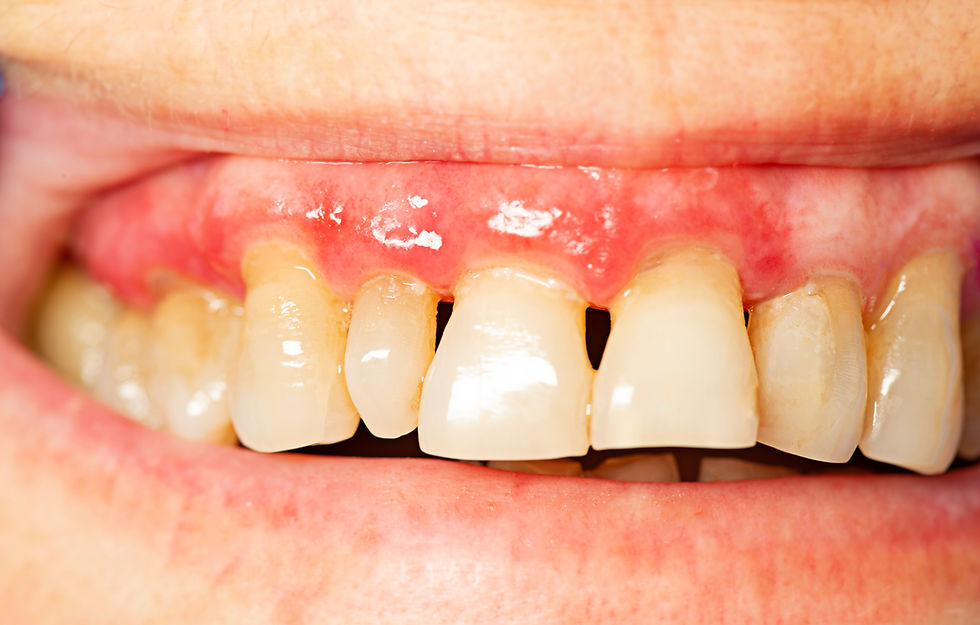
One of the most common causes of ongoing bad breath is gum disease. Bacteria trapped below the gumline produce odors that brushing alone cannot remove.
Signs that gum disease may be affecting your breath include:
Bleeding gums
Swollen or tender gums
Persistent bad taste
Receding gums
Gum disease does not go away on its own. Our team proudly provides gum disease treatment in Winter Park, FL, to support fresh breath and better oral health!
TOOTH DECAY, WISDOM TEETH, AND OTHER DENTAL CAUSES
Cavities and infected teeth can also cause bad breath. Decay allows bacteria to grow in areas that are hard to clean at home.
Partially erupted or impacted wisdom teeth can trap food and bacteria, leading to odor. Old dental work or poorly fitting restorations may also contribute to bad breath if food becomes trapped around them.
Addressing these issues as early as possible ensures that your care is as conservative, affordable, and successful as possible.
WHEN BAD BREATH BECOMES A MEDICAL ISSUE
Sometimes bad breath is not caused by dental problems. Conditions like sinus infections, acid reflux, or dry mouth from medications can play a role.
Even in these cases, it is still important to rule out dental causes first. A dentist can help determine whether you should also see a medical provider.
FRESH BREATH STARTS WITH HEALTHY TEETH AND GUMS
Chronic bad breath can be frustrating and embarrassing, but it is often a sign that your mouth needs attention. Breath mints and mouthwash may hide the problem, but professional dental care treats the cause.
Regular dental check-ups and cleanings are a key part of how we can keep your smile and your breath as fresh as possible. If it’s been a while since you last saw a dentist or you’re looking for bad breath treatment in Winter Park, FL, get in touch! With the right care and preventive dental treatment, our team at Anderson Family Dental can help you feel truly confident again.

Dr. Bryant Anderson, DMD
Dr. Bryant Anderson, dentist in Winter Park, FL, knew from a young age that he wanted to become a dentist. He studied Biology and Chemistry at Utah Valley University. He continued his education at the University of Florida College of Dentistry earning his Doctorate in Dental Medicine. As a top-ranking graduate in his dental class, Dr. Bryant Anderson was inducted into the dental honor society OKU. READ MORE